

No Contact Orders in Florida
Key Takeaway: No contact orders in Florida serve to protect victims in cases involving violence, assault, or domestic disputes. Violating a no contact order order in Florida, whether through direct or indirect contact, carries severe penalties, including misdemeanor charges and potential jail time. Seeking legal guidance is crucial for understanding the complexities of restraining orders and navigating the process of modifying or lifting them, especially in cases involving reconciliation or mutual dependency between the parties involved. Contacting an experienced attorney, such as those at Moses & Rooth, can provide invaluable assistance in addressing these legal matters effectively.
Being restricted from contacting someone you care about can be confusing and stressful. Understanding your options and next steps can help you move forward while protecting your rights.
GET HELP HEREFlorida courts often issue no contact orders, or NCOs in criminal cases. This is particularly true in cases that involve assault, battery, domestic violence or any other violent crime where the court is concerned a victim may be in a conflict or under the threat of continuing violence.
If you have violated a restraining order, or you believe someone has violated a restraining order, reach out to a no contact order attorney to help you understand your rights. This article will help you understand restraining orders in FL and the basics of violating a protective order.
What is a “No Contact” Order?
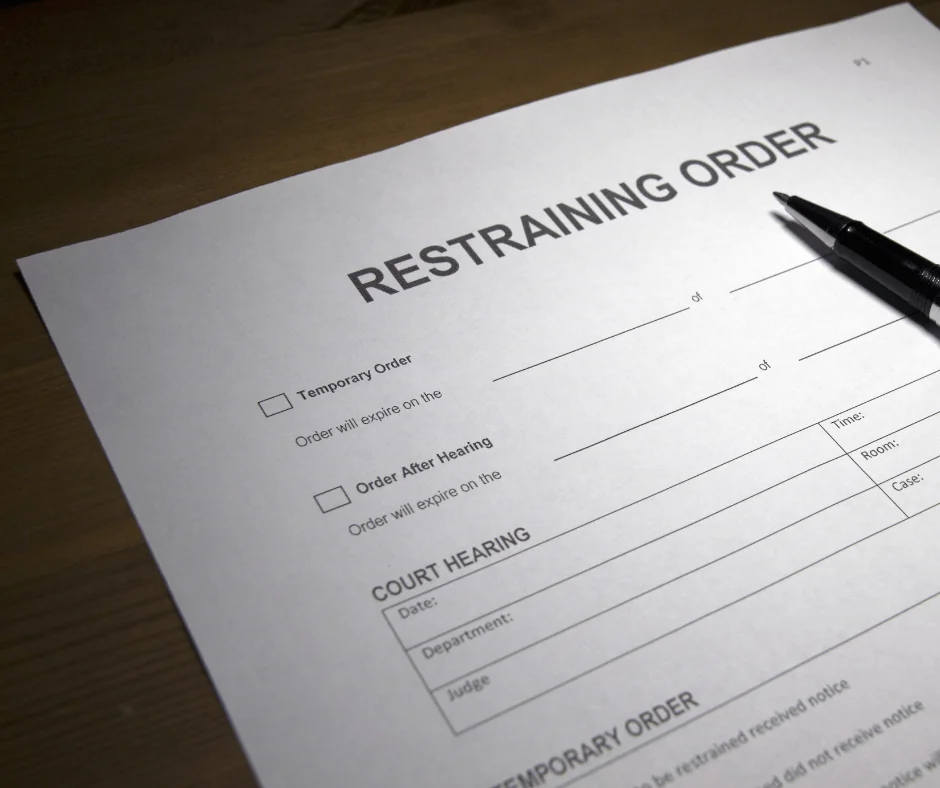
A Florida injunction, or restraining order, is a court order preventing one person from contacting another. Unless specified otherwise, this order prohibits contact by phone, email, text, letter, in person, or by other means.
It may be considered a restraining order violation if a defendant texts, calls or emails an alleged victim. It may even be considered a violation if defendant gestures their hand towards, touches or is in the same area as the alleged victim. No contact orders also prohibit communication through social media such as Facebook, Twitter and LinkedIn.
Penalties for Violating a No Contact Order
A violation of a no contact order is a first degree misdemeanor. The accused could be subjected to a charge for a for each instance of contact in violation of the order.
When there are multiple violations of a restraining order, a defendant could face years in jail. If a person violates a no contact order their bond may be revoked and they may be required to await their trial or resolution of the case while in jail.

Can the Victim Get in Trouble for Violating a No Contact Order in Florida?
A victim violating a no-contact order is not a court order violation. Authorities typically do not charge victims for this. An accused person under a no-contact order should consult a lawyer if the victim initiates contact in a domestic assault case.
When Can a Restraining Order be Changed?
It is possible for a court to lift, or change, a no contact order in order to help prevent or alleviate hardship caused to both the victim and the accused.
This is happens often in cases of domestic violence when the defendant and the alleged victim may have children and may dependent on each other for personal and financial support. They may want to request a modification or lift of the no contact order in order to begin reconciling their relationship.
No Contact Order vs. Restraining Order in Florida
NCOs and restraining orders both protect individuals from harm or harassment, but the process and duration vary significantly. NCOs are usually issued before a trial and have a shorter duration. On the other hand, restraining orders go through a more extensive court hearing and last longer. Restraining orders typically also have more extensive restrictions.
How to Modify or Lift a No Contact Order
No contact orders are legal safeguards meant to protect individuals from potential harm. However, situations can change, and you might need to modify or lift the order entirely. You can achieve this by following these three steps:
- File a Motion to Modify—you must file a motion with the court that issued the original order. This document outlines your request (modification or complete removal) and its reasons.
- Serve the opposing party—ensure the person protected by the order (the petitioner) gets a copy of your motion.
- Hearing—a court date will be scheduled to hear arguments from both sides. Be prepared to present evidence supporting your request.
At the hearing, specific documentation will be necessary, including:
- Original NCO order,
- Completed Motion to Modify form,
- Proof of service on the petitioner, and
- Any evidence supporting your request (e.g., agreements, witness statements).
Coming to the hearing prepared can be crucial to your success in modifying or lifting an NCO. Working with an experienced attorney can help ensure you are prepared for your hearing and give you the best chance of prevailing.
Typical Obstacles
You can encounter challenges when trying to modify or lift an NCO, including:
- Objection from the petitioner. If the petitioner fears their safety, the judge may hesitate to modify or lift the order.
- Violation of the order. A past no-contact order violation significantly weakens your case.
- Insufficient evidence. Your chances of success in modifying an NCO increase when you have a strong case with clear justifications.
- Safety concerns. The court prioritizes safety. The judge may deny your request if there is any risk to the petitioner’s safety.
- Outstanding criminal charges. Unresolved criminal charges related to the original incident can hinder your request.
If your no-contact order is a criminal NCO, it can only be modified or dismissed by a judge.
Do Not Resume Contact Without a Court Order
Violating the court order, even as a path to reconciliation, may result in serious consequences. Before making contact, the defendant or alleged victim should first seek seek permission from a court before resuming contact.
After the court has the request there will be another hearing and then the court will decide whether to lift or modify the restraining order.
Hire an Experienced Lawyer for a No Contact Order Legal Guidance in Florida
Violating a no contact order is a serious offense in Florida. The court has an interest in protecting victims and will penalize anyone who violates a direct order from a court. If you are seeking to modify or lift a no contact order then contact Moses & Rooth.
We can go over the details of your cases and help you develop the best strategy for lifting or modifying a restraining order. Please contact us online or by calling 407-377-0150 to discuss your case.
FAQs about No Contact Orders in Florida
How to get a no contact order in Florida?
To get a no-contact order in Florida, the petitioner must file a request with the Clerk of the Courts. If the petitioner cannot afford the filing fees, they can complete an additional form for a fee waiver.
What Are the Grounds for Modifying a No-Contact Order?
Common reasons to modify a NCO include:
- Reaching an agreement with the petitioner,
- Demonstrating a changed living situation eliminates safety concerns, and
- Completing court-ordered programs.
It is important to show the court that the circumstances that led to the issuance of the no-contact order have changed.
How Long Does a No-Contact Order Last in Florida?
NCOs are temporary and typically last until the court date for the underlying case.
What Actions Do NCOs Prohibit?
No-contact orders in Florida rules typically prohibit contact, including phone calls, texts, emails, social media interaction, and physical proximity.
What Is the Legal Definition of No Contact?
The legal meaning of no contact is a prohibition of both direct and indirect interaction with the protected individual, meaning you may not “communicate orally or in any written form, in person, telephonically, electronically, or in any other manner, directly or indirectly through a third person, with the protected or any other person named in the order.”
What Are the Penalties for Violating a No-Contact Order?
Violation can lead to jail time, fines, and additional charges.
Can a Lawyer Help Me Modify or Lift a No-Contact Order?
An attorney specializing in family law or domestic violence can significantly improve your chances of success.
Can I Modify a No-Contact Order Myself?
While forms are available, getting advice from a lawyer ensures your motion is correctly prepared and boosts your chances of success.
How Long Does It Take to Modify or Lift a No-Contact Order?
The timeframe varies depending on the court backlog and the case’s complexity.